Why an AI Receptionist Offers Times Already Taken
An AI receptionist quoting wrong availability isn't a glitch. It's a sync problem, and here's why it happens and what actually fixes it.
TL;DR: When an AI receptionist offers a time slot that is already booked, the cause is almost always a lag between the booking calendar and the AI layer reading from it. The AI quotes what it last saw, not what is true right now. The only fix is an AI that reads the calendar it lives inside, not one that reads a copy of it.
A caller hears a time, says yes, and hangs up. Then your front desk has to make an awkward call. Two appointments are now sitting in the same slot. One of those clients is going to be disappointed, and neither of them did anything wrong. The booking failure happened before the call ended.
This is one of the most common complaints operators raise after migrating from their existing booking system to a voice AI solution. The AI sounds confident. It offers specific times. It confirms the appointment. And then reality catches up, because the calendar the AI was reading from was already out of date.
Why the AI Is Reading a Calendar That Isn't Current
Any AI receptionist that runs as a separate product from your booking system has to get its availability data from somewhere. That somewhere is almost always one of two mechanisms: a scheduled sync or an API call.
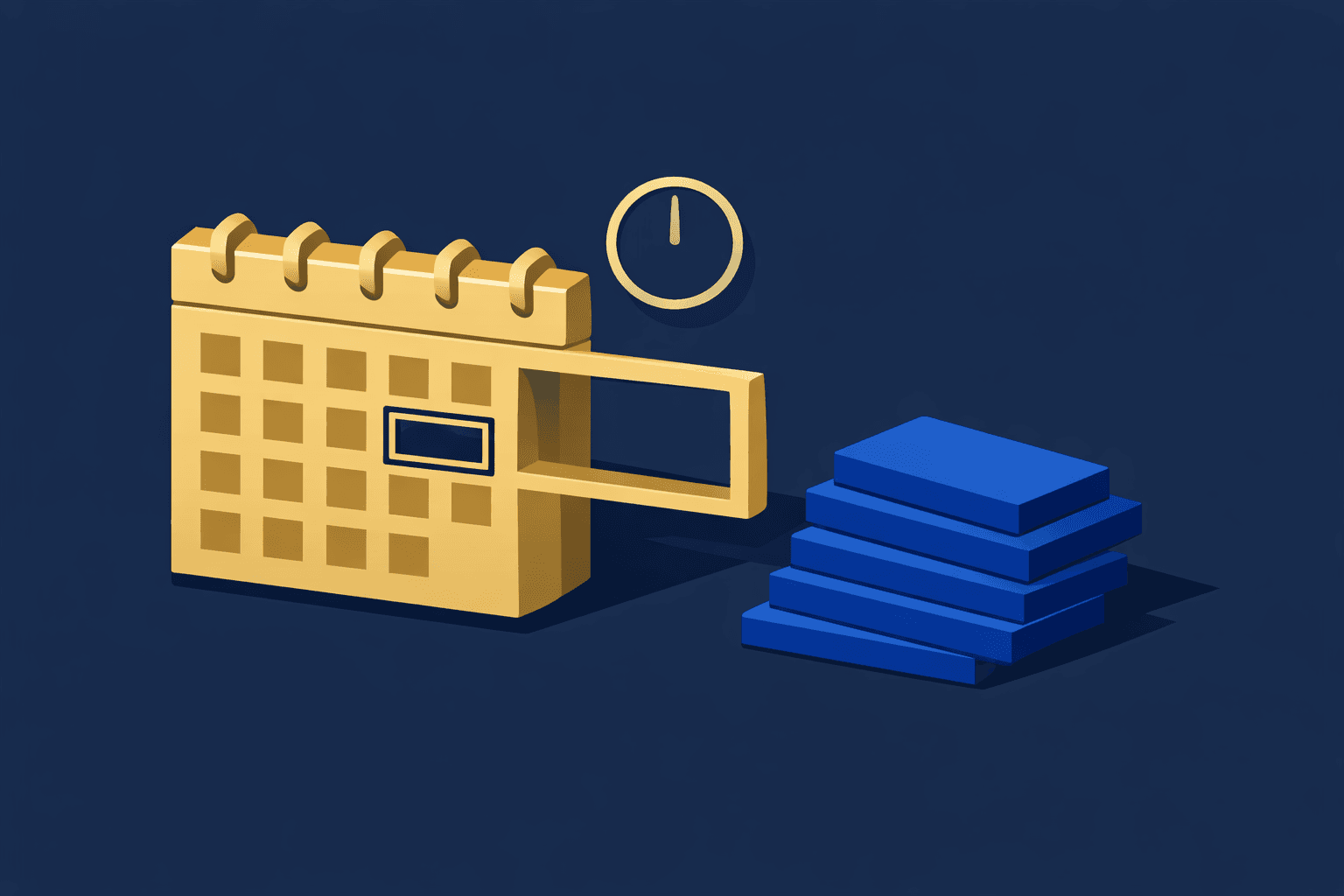
A scheduled sync pulls a snapshot of availability at set intervals. If that interval is fifteen minutes, the AI is working from data that could be up to fifteen minutes old. A walk-in fills the 2:00 slot at 1:52. Your online booking form fills the 2:30 slot at 1:58. A caller reaches the AI at 2:03 and is offered both times, because the last sync ran at 1:50 and neither of those bookings existed yet.
An API-based setup is faster, but it introduces its own failure mode. The AI calls out to the booking system's API each time it needs availability data. If the API response is slow, the AI may time out and fall back on cached data. If the API changes its structure (a field is renamed, an endpoint is versioned), the AI may read partial data or fail silently and serve whatever it has in memory. You won't know until a double-booking surfaces. This is the mechanic behind what happens when a booking API change disrupts a voice add-on.
Neither of these is a bug in the traditional sense. It is the expected behavior of two systems that were not built together, exchanging data across a boundary neither of them fully controls.
What "Wrong Availability" Actually Looks Like in Practice
The problem shows up in a few distinct ways, and each one carries a different cost.
Double-bookings are the most visible. Two clients arrive for the same slot with the same provider. One of them has to be moved, which means your front desk is managing a conflict instead of checking someone in.
Incorrect holds are subtler. The AI offers a time, the caller says they'll think about it, and the slot stays open in the AI's view, but a staff member blocked it manually in the calendar thirty seconds ago. The next caller gets the same offer. The slot fills through a different channel. The caller who was thinking about it calls back and is now told the time is gone.
Missed reschedules happen when a cancellation comes in through one channel and the AI doesn't see it as newly open yet. The slot sits dark in the AI's data while the calendar shows it free. Callers asking for that time get turned away.
Each of these erodes trust. A client who is offered a time and then told it isn't available doesn't think about API latency. They think your business is disorganized.
The Difference Between a Native AI and a Bolted-On One
The framing that matters here is not which AI product sounds best on a call. It's where the AI gets its data and how fast that data reflects the actual state of your calendar.
An AI receptionist that runs as its own product, reading availability from another company's booking system, is always working at one remove from the truth. The truth lives in the booking system. The AI gets a translation of that truth, delivered with some delay, across an interface that can change without notice.
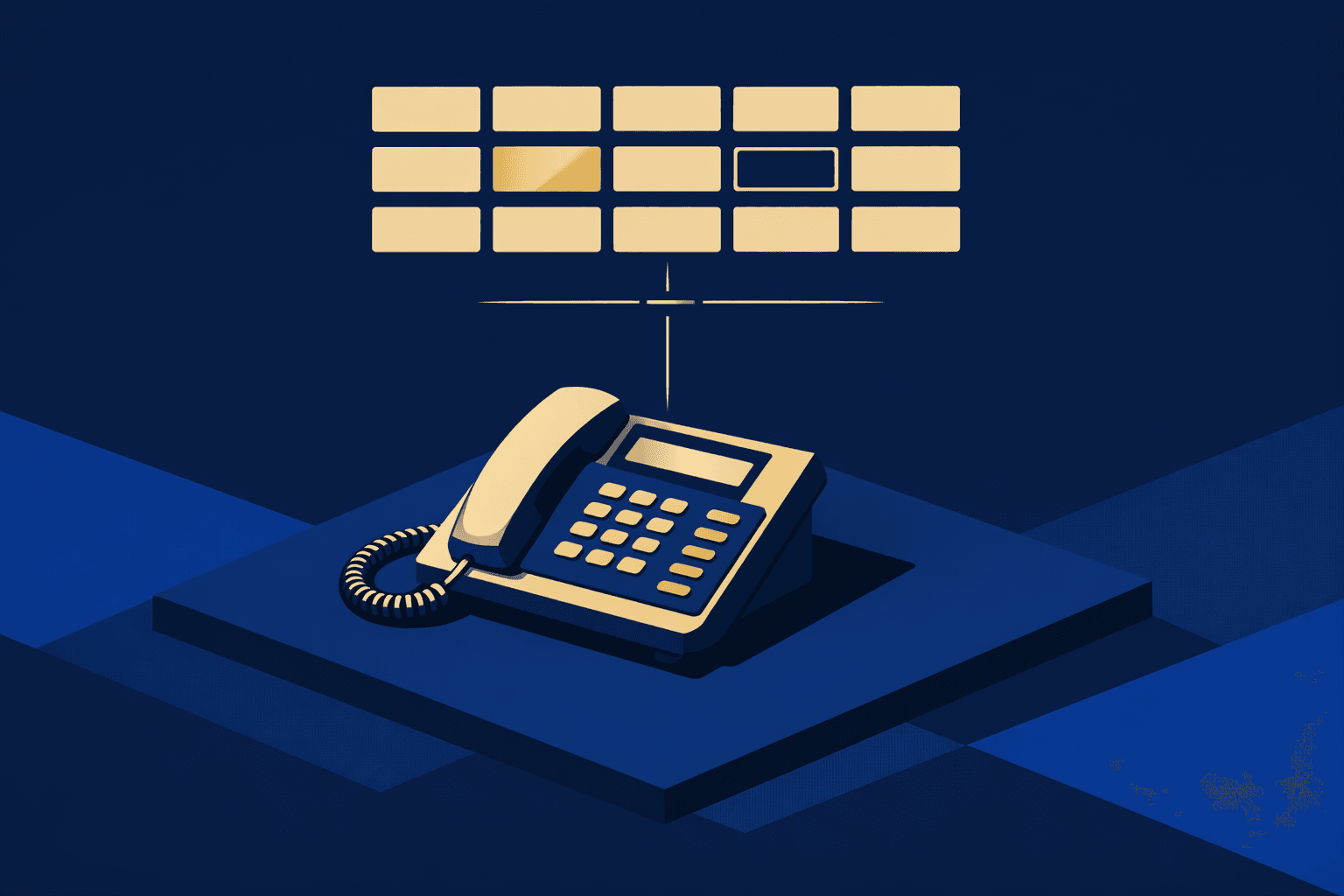
An AI that is part of the same system as the calendar reads from the same data store that the calendar writes to. There is no sync to wait for, no API call to make, no cached snapshot to expire. When a slot is booked, it is gone. The online booking form, the front desk, and the phone AI all see that change at the same moment.
That is why Tersavia's AI Reception runs inside the same platform as the calendar it books into. The availability the phone agent quotes is the availability the system holds right now, not a version of it from the last time two separate products talked to each other.
What to Check If You're Seeing Wrong Availability Quotes
If clients or staff are flagging availability errors, work through this before assuming the AI itself is at fault.
- Find out how your voice AI retrieves availability. Ask the vendor directly: is it a scheduled sync, a live API call, or does the AI live inside the same system as the calendar?
- If it is a scheduled sync, find out the interval. Every minute of that interval is a window during which a booking can happen that the AI doesn't know about.
- Check whether your booking system's API has had a version update recently. A change in API structure is one of the most common reasons a previously working integration starts producing wrong data without any visible error.
- Look at your double-booking log against the times of your busiest booking channels. If errors cluster around periods when online bookings, walk-ins and phone calls all overlap, that points to a sync lag problem, not a random failure.
- Ask whether your AI vendor has a fallback behavior. When a sync fails or an API call times out, does the AI refuse to quote availability, or does it serve the last known data? Serving stale data confidently is worse than saying "let me have someone call you back."
For more on what the phone gap costs when calls aren't handled correctly, the math on missed calls and voicemail shows how quickly it adds up across a week.
What Moving Off a Separate Voice Layer Looks Like
If you're running a voice AI product alongside a paid booking platform and finding that availability errors are a recurring problem, the operational question is whether the fix exists within that setup at all.
For operators moving from Vagaro or Boulevard, Tersavia imports client records so the switch doesn't mean starting a client list from scratch. Keep your current system running until your import is verified, then cancel. The call-to-booking conversion rate numbers that matter to your business do not improve by tweaking sync intervals. They improve when the phone and the calendar are the same system.
FAQ
Why does an AI receptionist offer times that are already booked?
The AI is reading availability data from the booking system through a sync or API connection. If a booking happens after the last sync ran, or if the API call returns stale cached data, the AI quotes a slot that is no longer open. It doesn't know the slot is gone until the next data refresh.
How often does the sync between a voice AI and a booking system run?
It depends on the vendor. Some sync every few minutes, some less frequently. The interval is not always disclosed. Any interval greater than zero means there is a window during which the AI can offer a time that has already been booked through another channel.
Does an API connection fix the wrong availability problem?
A live API call is faster than a scheduled sync, but it doesn't eliminate the problem. API calls can time out, return cached data, or break when the booking system updates its API structure. An AI that lives inside the same system as the calendar has no external call to make and no sync delay to manage.
What should I ask a voice AI vendor about availability accuracy?
Ask whether the AI reads availability from the same data store as the calendar, or whether it connects to the calendar through a sync or API. Ask what happens when the sync fails or the API times out: does the AI hold off on quoting availability, or does it serve whatever it has in memory? The answer tells you how much exposure you have to double-bookings.