Moving Off Boulevard? Plan Who Answers the Phone Next
Leaving Boulevard? Here's what phone coverage looks like when the AI receptionist and your booking calendar are one system, during the day and after close.
TL;DR: If you're moving off Boulevard, decide who answers the phone before you decide anything else. In Tersavia the AI receptionist is part of the platform. It takes every call and books appointments directly into your Tersavia calendar, without a front desk person picking up.
Most owners who evaluate a new booking platform start with the calendar. Then they look at checkout and reporting. The phone usually comes last, because for years it has been a separate problem with a separate answer: a front desk person, a voicemail box, maybe an answering service.
That habit is worth breaking. The phone rings at 7 p.m. on a Tuesday when your front desk has gone home and a new client is ready to book a facial. Whether that call turns into an appointment depends on what picks it up. Most operators don't feel the gap until they look at how many calls rolled to voicemail last week and cross-reference how many of those clients never came back.
If you're switching from Boulevard to Tersavia, reception isn't something you bolt on afterward. The AI receptionist answers the call and gathers what it needs. Then it books into the same calendar your staff works from. The client record lives in that system too, along with the membership and the payment. There's no duplicate system and no manual entry afterward.
What the Call Looks Like
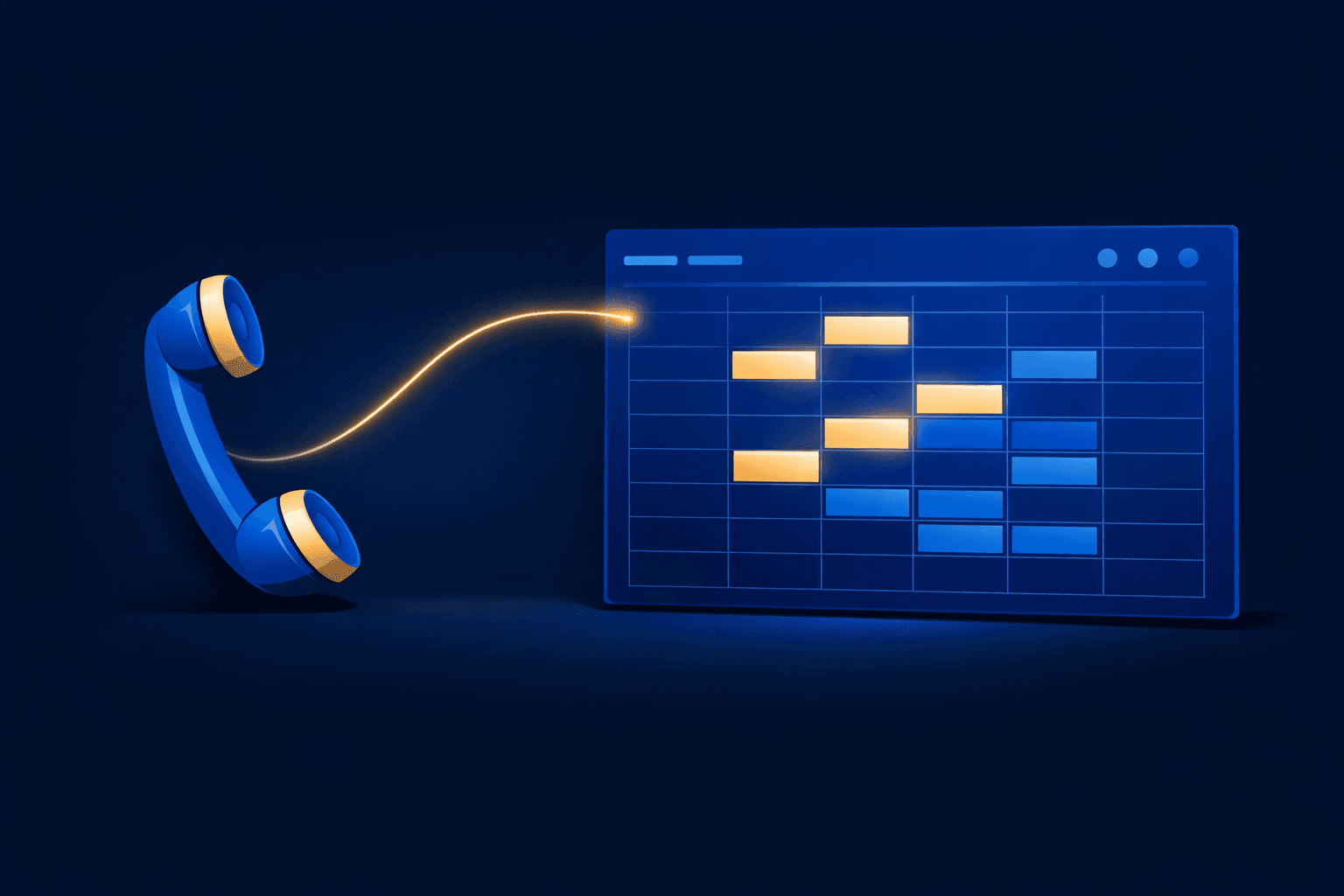
A client calls your number. Tersavia picks up in a few seconds, greets them by your business name, and handles the conversation. If they want to book an appointment, the AI checks your Tersavia calendar for availability. It confirms the service and the provider if they have a preference. It confirms the date and time. Then it creates the booking before the call ends.
The client gets a confirmation. The appointment shows on the calendar exactly the way a front-desk booking would. No flag, no asterisk, no second screen for staff to check. They open Tersavia and see the day.
If the caller has something more complex, the AI transfers the call. That covers a billing dispute, a membership change, a medical question for a med spa, or any request that needs a human judgment call. The AI doesn't touch memberships or anything to do with billing and payments. Your staff handle those, and they do it in Tersavia, where the client's record already sits.
You set the transfer rules when you configure Tersavia. Front desk gets the call, and they already have context from how the AI handled the first part of the conversation. The full setup for when AI transfers to a human versus handles the call itself depends on the rules you define.
After-Hours Is Where This Pays Off First
Most operators have solid daytime coverage. A front desk person who knows the software and the clients, and who can handle the phone while checking someone out, is a functioning business. The gap shows up at the edges.
After close, your phone either rolls to voicemail or forwards somewhere. If it rolls to voicemail, the data on what a missed call costs your business is not comforting. Most callers don't leave a message, and most who do don't get called back before they book somewhere else.
With Tersavia running, calls after close go to the AI receptionist the same way they do at 11 a.m. The caller books and gets confirmed. The appointment is on the calendar when your staff arrives the next morning. No voicemail pile to sort through. No missed revenue from someone who needed a Saturday evening option and couldn't wait until Monday to find out if you had one.
What the Move Itself Involves
Tersavia imports from Boulevard, and the switching page covers how the move works. Once your calendar is in Tersavia, the receptionist is booking against it. You aren't setting up a phone product and then wiring it to a booking product. It's one configuration. The same place holds your hours and your providers, and your service menu and transfer rules sit there too. Tersavia is free forever.
If you've already done the math on per-location pricing across multiple locations, you know that software costs compound fast at scale. In Tersavia the AI handles each location's calendar independently, based on how you've structured your locations.
Front Desk Doesn't Get Replaced, Just Unburdened
The scenario that worries most operators: will clients feel like they're being handled by a robot? It's a fair question.
Voice AI in 2026 is not the IVR menu from 2012. Tersavia's receptionist holds a real conversation. It can handle follow-up questions mid-call, adjust if the client changes their mind about the service, and flag anything unusual for a human to review. Clients who are just trying to book an appointment, which is most callers, get what they called for, fast.
What changes for your front desk is that they stop picking up every call while they're in the middle of checking out a client. You know the conflict: the phone is ringing while a client stands at the desk with the card machine waiting. It's one of the most common sources of dropped bookings in appointment businesses. The AI handles the phone. The front desk handles the person standing in front of them. Both get the attention they're owed.
And because the booking and the checkout happen in one system, your front desk isn't reconciling anything between the two. The call that came in at night is on the schedule in the morning.
FAQ
What happens to my booking setup when I switch from Boulevard?
Tersavia imports from Boulevard, and the switching page walks through the move. Once your booking rules, provider schedules, service menu and hours are set in Tersavia, the AI works within those constraints. It won't book a service outside your hours or with a provider who isn't available.
What happens if a caller asks something the AI can't handle?
You configure transfer rules in Tersavia. Anything outside the AI's scope gets routed to a human, including billing disputes and membership changes. Medical questions and complex rescheduling situations go to a human too. The AI can transfer to a specific staff member or a front desk line. A general number works too, depending on how you want calls handled.
Can the AI receptionist handle callers who are already my clients?
Yes. When a returning client calls, Tersavia can recognize their number and pull up relevant context, such as their preferences and their history. The booking is tied to their existing client record in Tersavia, not created as a new record.
Does Tersavia work across multiple locations?
Yes. Each location's calendar is managed separately in Tersavia. Calls are routed to the correct location, and so are bookings, based on which number the client called. Staff at each location see only their own calendar, the same as they would with any other booking method.